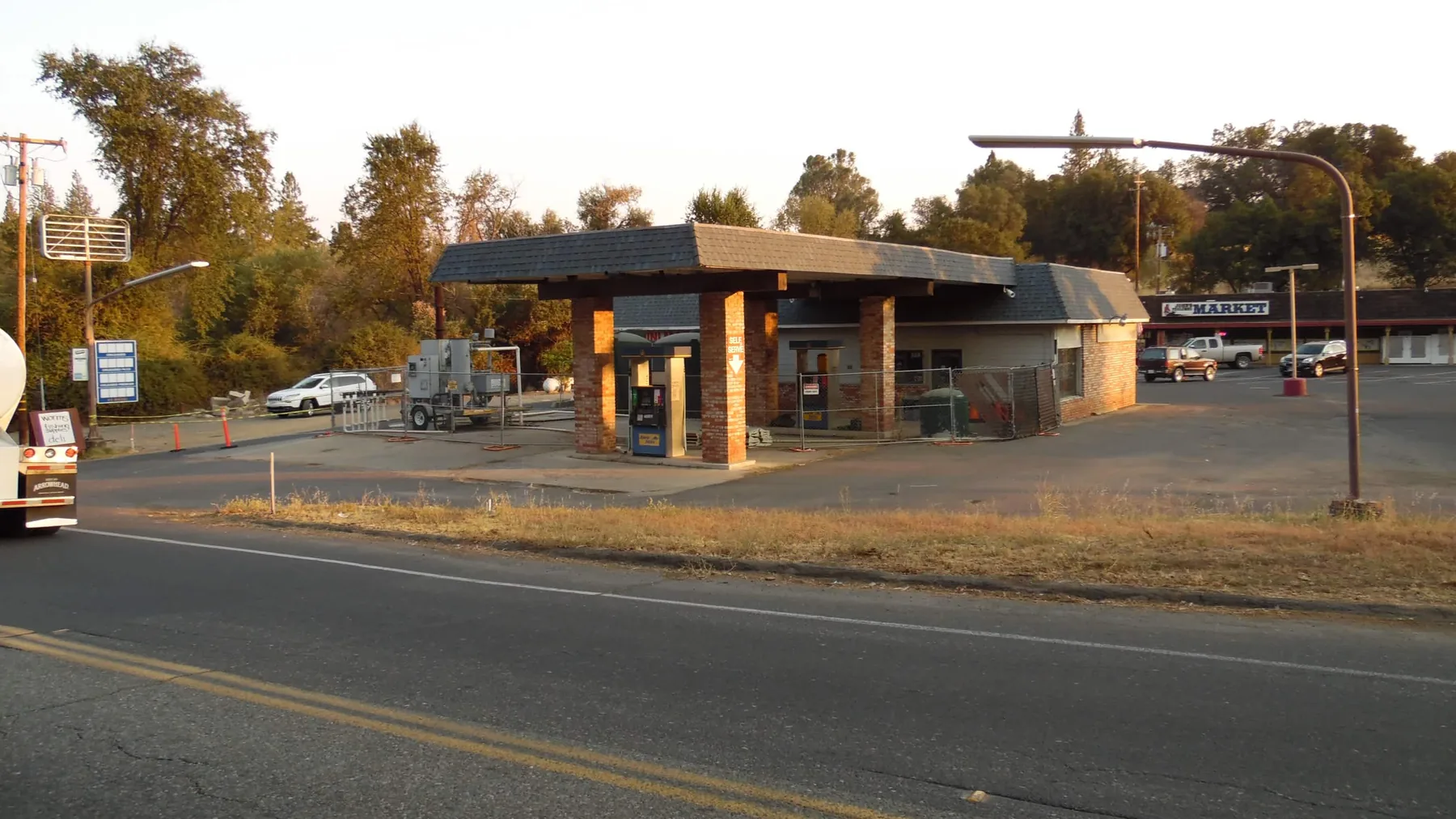
RES has performed and reviewed environmental due diligence for thousands of commercial, industrial, residential, governmental, agricultural, airport, redevelopment, and affordable housing sites.
The work extends beyond identifying environmental conditions to determining what they mean to the client, including whether further investigation is warranted, contamination could affect the proposed use, mitigation is practical, and the condition presents a manageable issue or significant business risk.
Environmental information is only useful when it supports a decision.
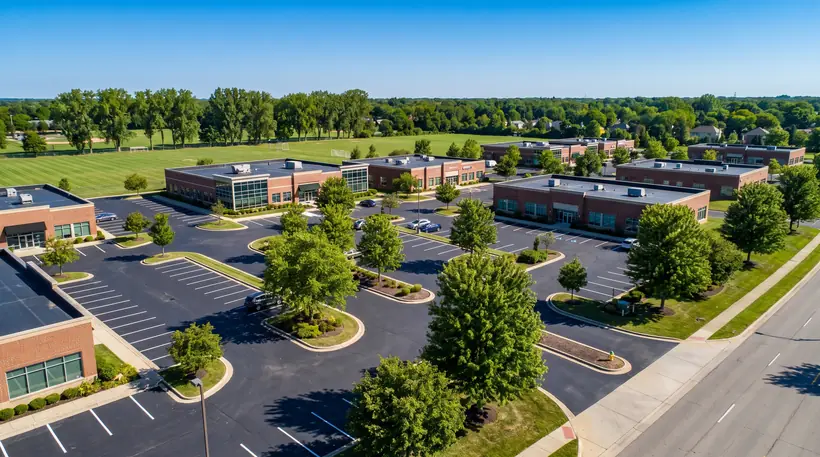
RES evaluates historical land use, regulatory records, adjoining properties, environmental databases, and previous investigations, with particular attention to how the information fits together and whether conclusions are supported.
The objective is a defensible assessment that identifies material environmental concerns and their transaction significance.
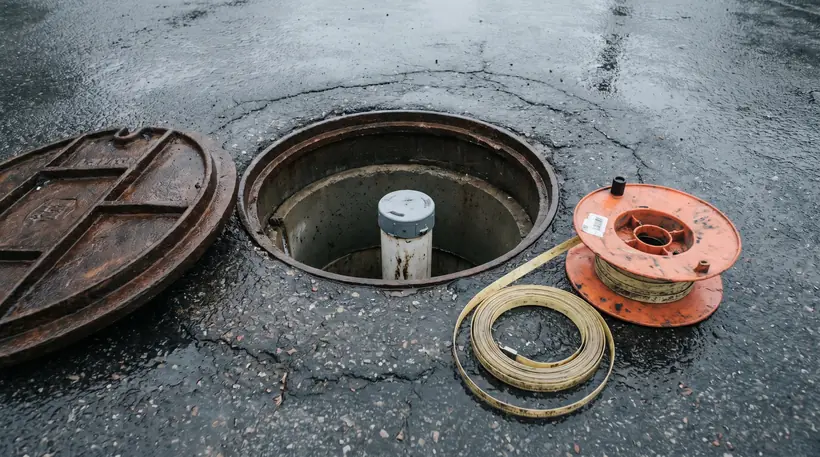
When investigation is warranted, RES develops and evaluates Phase II investigations designed to answer the questions identified during due diligence. Sampling may involve soil, groundwater, soil gas, indoor air, or other media.
Findings are interpreted in the context of site history, contaminant characteristics, migration pathways, regulatory criteria, proposed development, occupancy, and potential remediation or mitigation.

RES independently reviews Phase I ESAs, Phase II investigations, remediation reports, vapor intrusion evaluations, regulatory documentation, and other third-party environmental reports.
RES evaluates the underlying information and consultant reasoning, identifies material omissions or inconsistencies, and determines whether the conclusions are adequately supported. The central question is: what does this mean to the project?
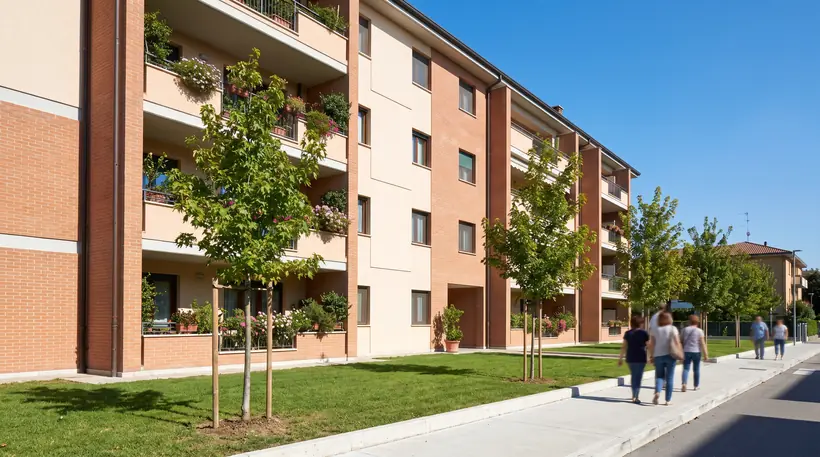
Environmental conditions vary greatly in significance. RES considers the nature and extent of the condition, migration and exposure pathways, regulatory status, proposed use, mitigation, remediation obligations, timing, cost, and business risk.
Vapor intrusion evaluations may include soil gas, sub-slab vapor, indoor air, groundwater, contaminant sources, and building conditions. For affordable housing and redevelopment, these issues are considered together with financing, construction schedules, building design, mitigation, and long-term occupancy.
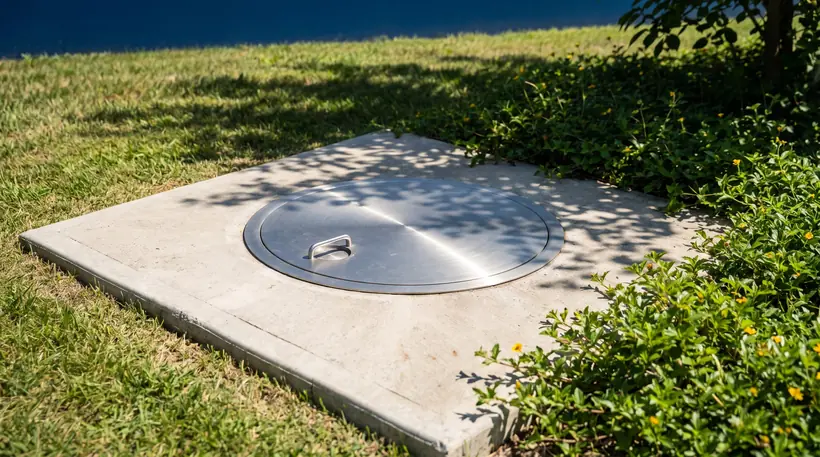
Some sites accumulate years of reports, investigations, regulatory correspondence, and recommendations without producing a clear answer. RES reviews the record to identify what is known, what remains uncertain, which uncertainties matter, and what additional work is actually needed.
The client should finish the process understanding the condition, its significance, and the practical choices available.
An initial conversation can help identify the issues, determine what information is already available, and establish the most useful next step.