
Waste management is a system. Collection, transportation, recycling, organics, processing, disposal, energy recovery, markets, infrastructure, regulation, public participation, and economics all influence what ultimately happens to a community or industry waste stream.
RES provides senior advisory services for solid waste, resource recovery, recycling, organics, landfill diversion, waste-to-energy, alternative technologies, feasibility, and sustainability projects in the United States and internationally.
Turning waste problems into practical projects.
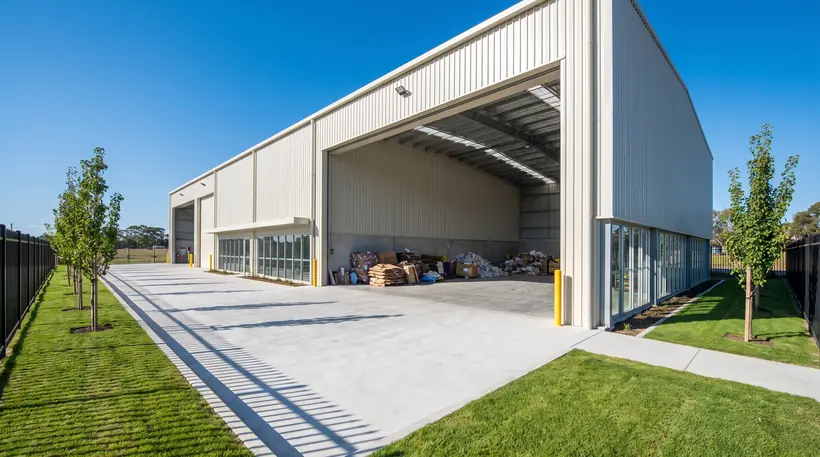
RES evaluates waste generation and composition, collection, transportation, transfer, recycling, material recovery, organics, disposal, infrastructure, operating constraints, and diversion opportunities.
Following system evaluation, RES develops processing concepts tailored to client needs, including opportunities to recover or transform materials into revenue-producing products where practical.
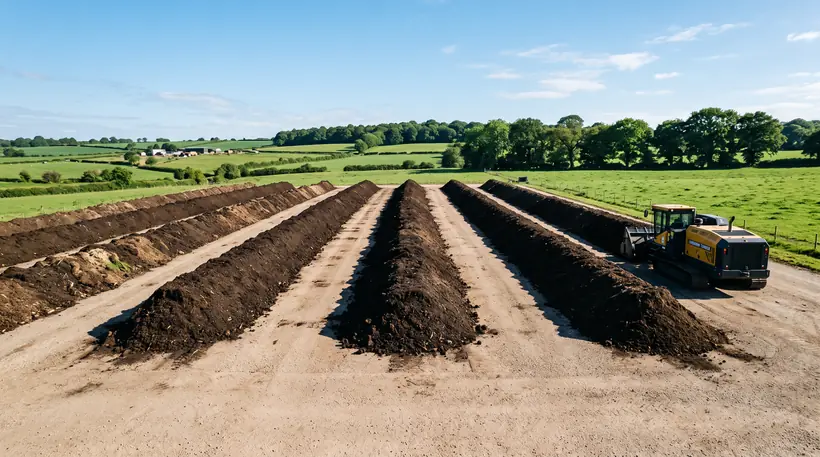
RES evaluates composting, anaerobic digestion, biological processing, and other approaches for separating and beneficially using organic waste.
Landfill diversion is treated as an integrated system combining appropriate recycling, material recovery, organics processing, waste conversion, energy recovery, and residual disposal to reduce long-term landfill demand.
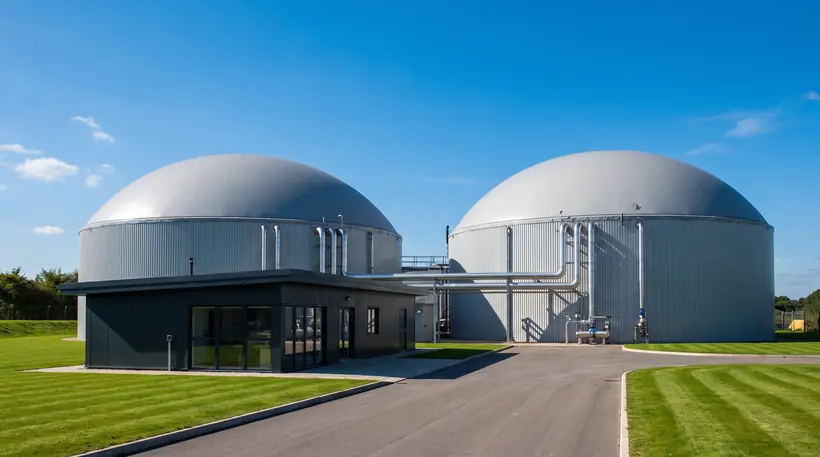
RES evaluates waste-to-energy and resource-recovery projects based on the actual waste stream, including quantity, composition, moisture, contamination, feedstock preparation, demonstrated throughput, energy production, environmental performance, residues, permitting, operating capability, capital and operating costs, revenues, tipping or processing fees, and local conditions. No single technology fits every waste stream.
Particular attention is given to demonstrated operating history. Pilot and demonstration results, commercial installations, throughput, environmental testing, maintenance, residues, and independent performance data are distinguished from projected commercial-scale performance, especially when evaluating emerging technologies or proposed scale-up.
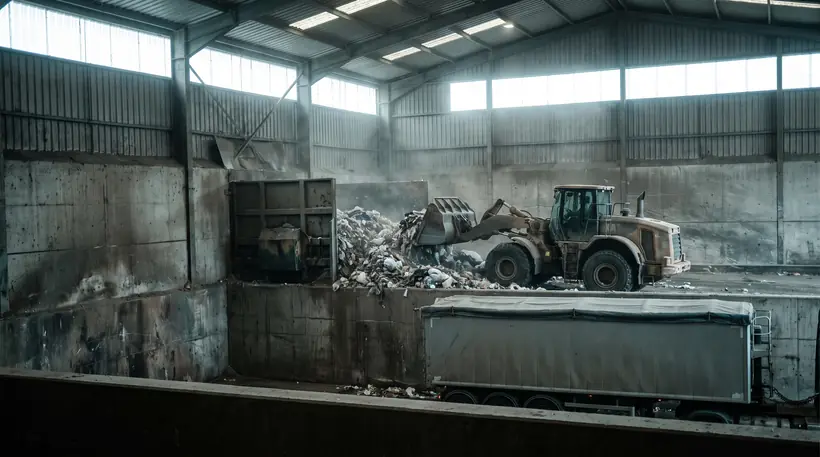
A technically viable technology does not automatically create a viable project. RES evaluates feedstock, facility concepts, mass flow, infrastructure, permitting, operating assumptions, costs, residue management, revenues, and avoided disposal costs.
Site selection, traffic, noise, air emissions, wastewater, stormwater, odors, hazardous materials, permitting, and community concerns are brought into planning early because they can influence technology choice, layout, cost, schedule, and feasibility.
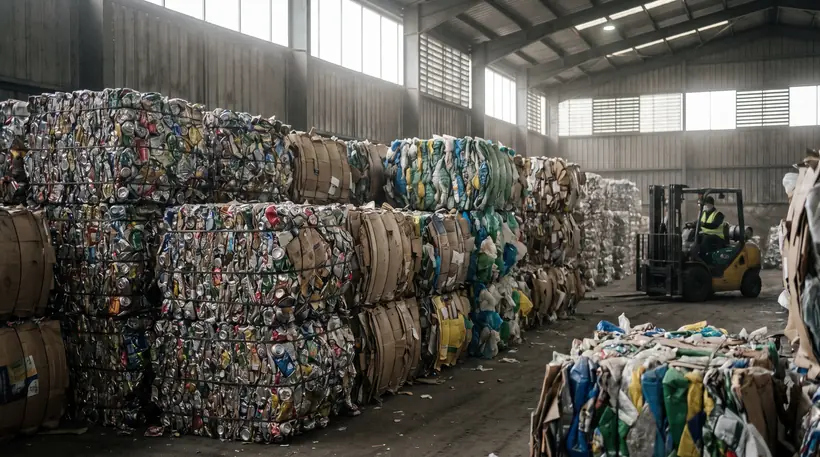
Waste solutions must reflect local conditions, including collection practices, public participation, informal recycling, infrastructure, transportation distances, landfill capacity, energy prices, tipping fees, financing, regulation, labor, climate, and markets.
RES has participated in U.S. and international projects involving municipal waste systems, recycling, resource recovery, organics, waste conversion, renewable energy, landfill diversion, and integrated waste infrastructure.
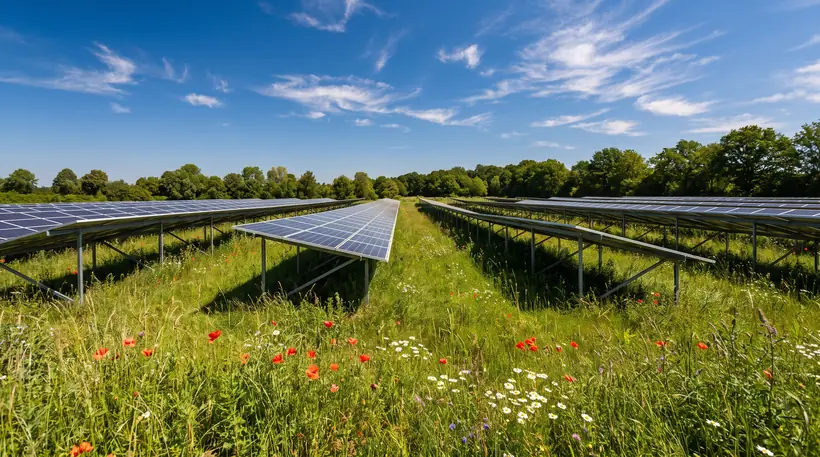
RES assists organizations preparing for sustainability certification and related supply-chain requirements, including ISCC. Services include gap assessment, traceability and documentation review, supplier records, mass-balance systems, procedures, audit-file organization, management preparation, corrective actions, and audit readiness.
ESG advisory can also help organizations translate sustainability requirements and data into measurable objectives, governance, and practical business strategies.
An initial conversation can help identify the issues, determine what information is already available, and establish the most useful next step.